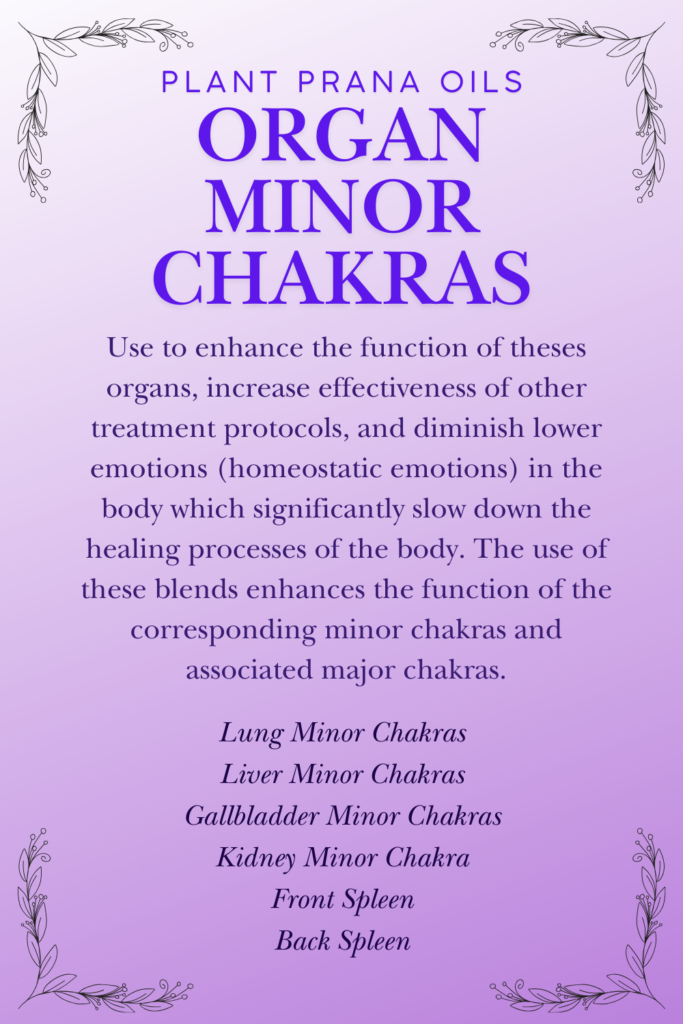
Use to enhance the function of theses organs, increase effectiveness of other treatment protocols, and diminish lower emotions (homeostatic emotions) in the body which significantly slow down the healing processes of the body. The use of these blends enhances the function of the corresponding minor chakras and associated major chakras.
Cold, flu, and COVID-19 are all respiratory illnesses caused by viruses, but they differ in their causes, symptoms, and severity. Here’s a breakdown of each, along with their typical symptoms:
1. Common Cold
Cause: The common cold is caused by a variety of viruses, most commonly rhinoviruses. It’s a mild viral infection that mainly affects the nose and throat.
Symptoms: Symptoms usually appear gradually and are generally mild. They include:
Runny or stuffy nose
Sneezing
Sore throat
Mild cough
Mild headache
Body aches (less common)
Low-grade fever (rare in adults, more common in children)
Mild fatigue
Duration: Cold symptoms typically last 5-10 days and generally resolve on their own. The common cold is not typically associated with severe complications.
Contagiousness: Colds are contagious, especially in the first few days. They spread through droplets when someone coughs or sneezes or through contact with contaminated surfaces.
2. Influenza (Flu)
Cause: The flu is caused by influenza viruses (primarily types A and B) and tends to be more intense than the common cold.
Symptoms: Flu symptoms usually come on suddenly and can be more severe than a cold. They include:
High fever, often 100°F (38°C) or higher
Chills
Sore throat
Cough (often dry and persistent)
Severe muscle or body aches
Headache
Fatigue or extreme tiredness
Runny or stuffy nose (less common)
Gastrointestinal symptoms like nausea, vomiting, and diarrhea (more common in children)
Duration: Symptoms typically last about 7-14 days, but fatigue and weakness can linger for a few weeks. The flu can lead to complications like pneumonia, especially in young children, the elderly, and those with weakened immune systems.
Contagiousness: The flu is highly contagious and spreads through respiratory droplets and contact with surfaces. People with the flu are most contagious in the first 3-4 days after their illness begins.
3. COVID-19
Cause: COVID-19 is caused by the SARS-CoV-2 virus, a novel coronavirus that emerged in late 2019. COVID-19 can range from mild to severe and has been associated with long-term complications.
Symptoms: Symptoms of COVID-19 vary widely, from asymptomatic cases to severe illness. Common symptoms include:
Fever or chills
Cough (often dry, but can be productive)
Shortness of breath or difficulty breathing
Fatigue
Muscle or body aches
Headache
Sore throat
Congestion or runny nose
Loss of taste or smell (more specific to COVID-19)
Nausea or vomiting
Diarrhea
Duration: COVID-19 symptoms can last from a few days to several weeks. Some people experience lingering symptoms for months, known as “long COVID.”
Contagiousness: COVID-19 is highly contagious and spreads through respiratory droplets, aerosols, and contact with surfaces. People are most contagious in the days around symptom onset, though some can spread the virus even when asymptomatic.
Comparison of Symptoms
Symptom
Cold
Flu
COVID-19
Fever
Rare
Common (high)
Common (variable)
Cough
Mild
Common (dry, persistent)
Common
Sore Throat
Common
Sometimes
Common
Runny/Stuffy Nose
Common
Sometimes
Common
Muscle Aches
Rare
Common
Common
Fatigue
Mild
Common
Common (can be severe)
Loss of Smell/Taste
Rare
Rare
Common (often specific)
Headache
Rare
Common
Common
Shortness of Breath
No
Rare
Common (can be severe)
Diarrhea/Nausea
Rare
Sometimes (children)
Sometimes
When to Seek Medical Attention
Cold: Typically does not require medical treatment unless symptoms worsen or persist for more than 10 days.
Flu: Seek medical help if symptoms are severe or if you are in a high-risk group (young children, elderly, or immunocompromised).
COVID-19: Seek immediate medical care if you experience severe symptoms like difficulty breathing, chest pain, confusion, or bluish lips.
In summary, while colds are generally mild and flu tends to be more intense, COVID-19 symptoms can vary widely, with the potential for severe complications. Preventive measures such as good hygiene, wearing masks, and vaccination are essential for reducing the spread of these illnesses.