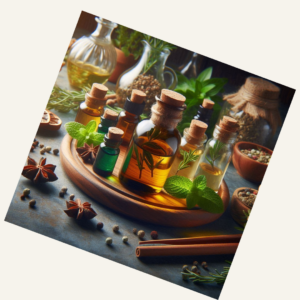
Incense is a substance that releases a fragrant smoke when burned, typically made from a combination of aromatic plant materials, resins, essential oils, and sometimes natural fibers. It has been used for centuries in various cultures for a wide range of purposes, including spiritual, medicinal, and everyday applications.
Burning incense can create a pleasant atmosphere, help with relaxation, and enhance meditation, but it also offers various health and therapeutic benefits depending on the type of incense and the essential oils used.
Main Uses of Incense:
- Aromatherapy and Mood Enhancement:
- Calming and Relaxation: Certain incense, such as lavender or sandalwood, are known for their calming properties and are used to reduce stress, anxiety, and promote relaxation.
- Energizing: Incense can be uplifting, energizing, and invigorating. They are commonly used to improve mental clarity, fight fatigue, and enhance focus.
- Improving Mood: Frankincense, myrrh, and rose are used to improve mood, reduce emotional tension, and create a serene environment.
- Spiritual and Meditative Practices:
- Meditation and Prayer: Incense has been used in spiritual traditions around the world, such as Buddhism, Hinduism, and Christianity, to enhance meditation and prayer practices. The scent of incense is believed to elevate one’s spiritual consciousness and help achieve a calm, focused state.
- Purification and Sacred Rituals: Many cultures use incense in rituals to purify the air and surroundings. Frankincense, Benzoin, Patchouli, Saffron, Aloes, Sandalwood and Myrrh are particularly valued for their spiritual purification properties, helping to create a sacred, elevated atmosphere.
- Grounding and Protection: Incense like sandalwood, camphor, mugwort, rosemary, and cedar are often used to ground the mind and protect the space from negative energy. It is common to burn these during meditation or spiritual ceremonies to cleanse the environment and set an intention.
- Air Purification:
- Deodorizing: Incense helps purify and refresh indoor air by masking odors and neutralizing unpleasant smells.
- Disinfecting: Incense made with essential oils like tea tree, camphor, or eucalyptus has antimicrobial properties that can help purify the air by reducing bacteria, viruses, and fungi. These types of incense are useful in promoting respiratory health and hygiene.
- Mental Clarity and Focus:
- Enhancing Concentration: Peppermint, rosemary, and sage incense are commonly used in environments where focus and mental clarity are needed, such as during studying, reading, or working. The stimulating properties of these oils can boost cognitive performance and help maintain alertness.
- Memory and Learning: Some incense, particularly rosemary and basil, has been linked to improving memory and cognitive function. It is often used by students or professionals during study or work sessions.
- Sleep Support:
- Improving Sleep Quality: Burning lavender or chamomile incense before bed can help create a relaxing atmosphere, making it easier to wind down and prepare for restful sleep. The calming effects of these oils can promote deep relaxation and reduce insomnia.
- Promoting Relaxation Before Sleep: The soothing aroma of incense can help signal to the body that it’s time to unwind, reducing the mental clutter that often interferes with falling asleep.
- Emotional Healing:
- Stress Relief: Incense such as lavender, Siberian Fir, or rose is often used to help manage stress and anxiety. The pleasant aromas can have a direct impact on the limbic system (the brain’s emotional center), helping to reduce stress responses and improve emotional well-being.
- Grief and Loss: Certain incense blends can help individuals cope with grief and emotional turmoil. Incense like frankincense and sandalwood are known to offer grounding and emotional comfort during difficult times.
- Uplifting Spirits: Aromas like jasmine and ylang-ylang are known for their uplifting properties, often used to improve mood and bring emotional harmony to a space.
- Insect Repellent:
- Natural Repellent: Some incense, especially those made with citronella, lemongrass, or eucalyptus, can help keep insects such as mosquitoes at bay. These types of incense are often used outdoors or in areas where pests are a problem.
- Creating Ambience and Atmosphere:
- Setting the Mood: Incense is often used to set a particular mood or atmosphere, whether it’s for a romantic evening, a cozy gathering, or a special occasion. Different scents, such as rose, vanilla, or cistus , can help evoke specific emotions and enhance the experience.
- Ceremonial and Sacred Space: In many traditions, incense is burned as part of setting up a sacred space, creating an atmosphere that invites reverence, tranquility, and spirituality.
Tips for Using Incense:
- Choose the Right Scent: Different scents have various effects on the body and mind. Always consider what you want to achieve when selecting incense.
- Ventilate the Space: When burning incense for extended periods, it’s important to ensure proper airflow to avoid inhaling too much smoke. Open a window or ensure ventilation, especially if you’re burning incense for several hours.
- Safety First: Always use incense in a stable, heat-resistant holder and never leave it burning unattended. Place it away from flammable materials.
Therapeutic Incense is one of the many methods of using essential oils.