Category: Properties of Oils

  • The Benefits of Aloes/Oud

    Aloes/Oud

    Aloes, also known as oud, is highly prized for its distinctive fragrance and has been used in perfumery, incense, and traditional medicine for centuries. Originating from the heartwood of aquilaria trees, which become infected with a particular type of mold, aloes wood develops a rich resin as a defense mechanism. This resin-infused wood has both mystical and healing properties, making it a valuable commodity in various cultural and spiritual contexts.

    Auric Programming:

    Aloes wood is renowned for its ability to diminish negative programming within the aura, a phenomenon known as “Auric Programming.” The aura serves as the energetic or potential mold for the body, emotions, and mind, encapsulating the subtle energies that govern our physical and psychological states. Auric programs, which are influenced by the presence or absence of blockages in the body’s anatomy, physiology, and psychological processes, manifest as patterns within this energetic field.

    These blockages can disrupt the normal flow of energy, leading to negative or unproductive behavioral patterns and emotional responses. By using aloes wood, either through incense or essential oils, it is believed that these negative auric programs can be cleared or significantly reduced. This helps to restore a harmonious flow of energy, aligning the body’s physiological functions and enhancing the quality of psychological processing. The use of aloes wood in this context supports overall wellness by purifying the aura and promoting a balanced state of being across the physical, emotional, and mental planes.

    Consciousness:

    Aloes wood plays a significant role in transcending lower levels of consciousness, which are often characterized by primal and instinctual behaviors, steering individuals toward a more elevated state of being. In both Theosophy and Buddhism, this shift is essential for spiritual development.

    In the context of Theosophy and Buddhism, lower consciousness is associated with the base, animalistic nature of humans. This level of consciousness is often dominated by instinctual drives and ego-based desires, which can hinder spiritual growth. Aloes wood, known for its purifying properties, is used to help diminish these lower traits and clear the path toward higher states of awareness.

    Higher consciousness, as referred to in various spiritual traditions, encompasses states such as “Buddha nature,” “Christ consciousness,” and the “higher soul.” Each of these represents an aspect of profound inner realization and connection to the divine or universal truth:

    Buddha Nature:

    In Buddhism, Buddha nature is the inherent potential within all beings to achieve enlightenment and realize their true nature, which is free from the dualistic perceptions of the ego.

    Christ Consciousness:

    In Theosophy and Christian mysticism, Christ consciousness refers to a state of heightened spiritual awareness and union with the highest spiritual realities, embodying love, wisdom, and self-sacrifice.

    Higher Soul:

    This concept often appears in various metaphysical teachings, representing the part of the soul connected directly to the spiritual realms, distinct from the earthly ego.

    Spiritual Significance:

    Aloes wood is renowned for its spiritual significance, particularly in Buddhist, Islamic, and Hindu traditions. It is used in religious ceremonies and meditation sessions to enhance spiritual awareness and promote a deeper sense of tranquility.

    The smoke of burning aloes wood is believed to carry prayers to the heavens, purify the surroundings, and ward off evil spirits, creating a sacred space conducive to spiritual practice.

    Enhancing Meditation:

    Due to its calming effects on the mind and body, aloes wood incense is a popular choice for meditation. It helps in deepening focus and enhancing the clarity of mind, facilitating a more profound meditative state. Aloes is used in the cultivation of “emptiness” or “being a vessel of light”.

    Enhancing Spiritual Perception: 

    In some esoteric practices within Tantric Buddhism, aloes wood is used to enhance spiritual perception and psychic abilities. It is believed that its fragrance can help unlock psychic centers, facilitating visions and deep spiritual experiences.

    Chanting and Prayers: 

    The calming effect of aloes wood incense also supports long periods of chanting and recitation of mantras, which are central to Tantric practices. It helps maintain a high level of concentration and devotion.

    Spiritual Rituals: 

    In various spiritual traditions, including some forms of Buddhism and Hinduism, aloes wood is used in rituals designed to open up psychic centers, such as the third eye chakra, which is closely associated with intuition. The smoke from burning aloes wood is believed to facilitate spiritual communication and enhance psychic abilities.

    Enhancing Concentration: 

    The aroma of aloes wood helps in sharpening focus and clearing the mind of clutter, which is essential when trying to develop or rely on one’s intuitive capabilities. A clear and focused mind is more perceptive and capable of discerning subtle intuitive cues.

    Funerary Rites:

    Transition Rituals: Aloes wood is sometimes used in funerary rites within Tantric Buddhism to aid in the transition of the soul. Its purifying smoke is believed to help guide the deceased’s spirit towards favorable rebirths or liberation.

    Prosperity and Protection:

    In many cultures, aloes wood is considered a symbol of prosperity and protection. It is often carried as an amulet or charm to attract good fortune and provide protection against negative influences.

    Anti-inflammatory and Analgesic:

    Aloes wood possesses anti-inflammatory and analgesic properties, making it useful in the treatment of chronic pain conditions such as arthritis and injuries. It helps to reduce pain and swelling, promoting better mobility and quality of life.

    Antimicrobial:

    The resin found in aloes wood has been shown to exhibit antimicrobial properties, effective against a range of bacteria and fungi. This makes it beneficial in preventing and treating infections.

    Respiratory Health:

    In traditional medicine, aloes wood is used to treat various respiratory conditions. It is believed to help alleviate symptoms of asthma, bronchitis, and other respiratory ailments by clearing congestion and facilitating easier breathing.

    Soothing Psychological Effects:

    The aromatic properties of aloes wood are thought to have soothing effects on the psyche. It is used in aromatherapy to relieve stress, anxiety, and depression, promoting a sense of calm and wellbeing.

    Digestive Aid:

    Aloes wood is also used in some traditional medicine systems to aid digestion. It is thought to stimulate the digestive system, relieve indigestion, and reduce bloating. It has a very strong purifying effect on the liver and bowels.

    Spagyery:

    Spagyric preparations are often used to balance physical, emotional, and spiritual energies. The recombination of aloes wood’s soul, spirit, and body is believed to create a remedy that harmonizes the user’s overall well-being, making it effective for treating not just physical ailments but also emotional disturbances.

  • The Benefits of Spagyric Anise

    Spagyric Anise

    SPAGYRIC ANISE TINCTURE AND BODY TONIC

    Anise possesses several beneficial properties that impact the nervous system. Firstly, it helps to balance the nervous system, contributing to overall neurological health and stability. Additionally, anise is known to enhance vagal tone, which involves the vagus nerve, a crucial component of the autonomic nervous system that influences heart rate, digestion, and mood regulation. By toning the vagal nerve, anise supports the body’s ability to relax and manage stress more effectively. Moreover, anise has a relaxing effect on the bronchioles, the small airways in the lungs, which not only facilitates easier breathing but also has a soothing impact on the nerves. This combination of effects makes anise a valuable herb in promoting respiratory health and calming the nervous system.

    Protection and Purification:

    Anise has been used in various cultures for its ability to ward off evil spirits. Hanging anise plants over doorways or placing seeds in a small bag as an amulet are traditional practices intended to protect an individual from evil and bring forth positivity.

    It’s also used in purification rituals, where burning anise seeds can cleanse a space of negative energy.

    Enhancing Psychic Abilities:

    Anise is believed to enhance clairvoyance and psychic awareness. Drinking anise tea or using anise oil in diffusers during meditation or psychic readings can purportedly heighten intuitive insights and deepen spiritual connections.

    Promotion of Peaceful Sleep:

    With its calming effects, anise is often used in herbal pillows or brewed as a tea to promote a restful sleep and to keep nightmares at bay, which is valued in practices focusing on dream work and astral travel.

    Attracting Abundance:

    In folklore, anise seeds attract abundance and are sometimes kept in money pouches or used in spells that focus on prosperity and increasing wealth.

    Alchemical Properties

    Transformation:

    Anise in alchemy symbolizes the transformation process of the soul, reflecting the journey of purification and refinement. As the plant undergoes distillation and other processes to extract its pure essence, it metaphorically represents the alchemist’s quest to refine and purify the human spirit.

    Elemental Correspondences:

    Anise is often associated with the element of air due to its potent aroma and ability to aid in communication and mental clarity. This correspondence links it to processes involving the mind, intellect, and spiritual communication.

    Digestive Aid:

    Anise is well-known for its carminative properties, helping to reduce gas, bloating, and digestive discomfort. It is commonly used in traditional medicine to aid digestion and relieve symptoms of gastrointestinal upset.

    Respiratory Health:

    Anise acts as an expectorant, helping to clear congestion in the respiratory tract. It is often used in cough syrups and lozenges to ease coughing and improve breathing.

    Antimicrobial Effects:

    The essential oil of anise has been shown to possess antimicrobial properties, which can help fight infections and boost overall immunity.

    – nervous dyspepsia, flatulence, aerophagy and vomiting of nervous origin

    – nauseous migraine, vertigo

    – painful menstrual periods

    – infantile colic

    – cardiovascular erethism (false angina pectoris, palpitations)

    – cardiac fatigue

    – asthma, bronchial spasm, cough, difficulty in breathing

    – lacteal insufficiency

    – impotence, frigidity 

    – oliguria (poor or reduced urine flow)

    • Circulatory System- regulates heart rhythm, cardiac fatigue
    • Lymphatic System: stimulates lymphatic function due to its effects on the vagus nerve 
    • Muscular system- rheumatism, muscular aches and pains
    • ​Respiratory system- aerophagia, coughs, bronchitis
    • ​Immune- colds
    • ​Digestive- cramps, flatulence, indigestion, proper nerve function, stress plagued digestive system, long term effects of stress
    • ​Psychological- improves mood, calms instinctive responses, 
    • ​Energetic- regulates chakras

    Spagyric Anise Tincture

    1oz

    Application:

    Tinctures are to be taken orally only. Take one dropper full internally daily. You may want to follow it with some water or juice…

    Spagyric Body Tonic

    4oz

  • The Benefits of Lobelia

    Lobelia

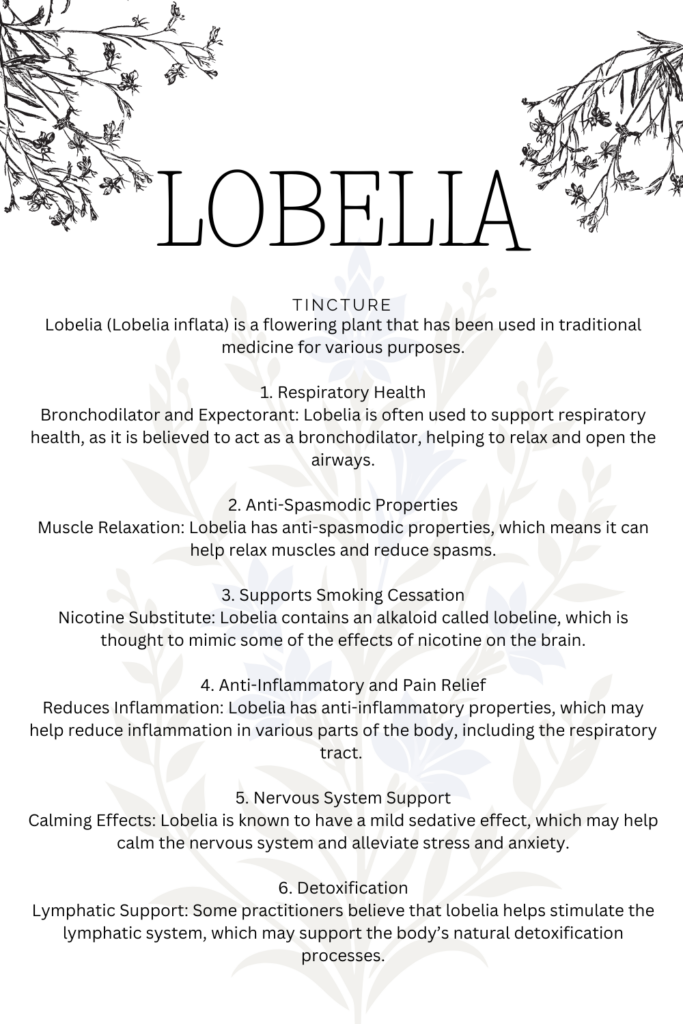
    Lobelia (Lobelia inflata) is a flowering plant that has been used in traditional medicine for various purposes.

    1. Respiratory Health

    Bronchodilator and Expectorant: Lobelia is often used to support respiratory health, as it is believed to act as a bronchodilator, helping to relax and open the airways. It also has expectorant properties, meaning it may help loosen and expel mucus from the lungs.

    Asthma and Bronchitis: Lobelia is sometimes used as an herbal remedy for asthma and bronchitis due to its potential to alleviate symptoms like coughing, wheezing, and shortness of breath.

    2. Anti-Spasmodic Properties

    Muscle Relaxation: Lobelia has anti-spasmodic properties, which means it can help relax muscles and reduce spasms. This makes it potentially helpful for conditions involving muscle tension, cramps, or spasms.

    Digestive and Respiratory Relief: By relaxing muscles, lobelia may help relieve spasmodic coughing, digestive cramps, and other symptoms associated with muscle contractions.

    3. Supports Smoking Cessation

    Nicotine Substitute: Lobelia contains an alkaloid called lobeline, which is thought to mimic some of the effects of nicotine on the brain. This may help reduce nicotine cravings and withdrawal symptoms, making it a potentially useful aid for people trying to quit smoking.

    Mood Support: By influencing dopamine release, lobeline may help reduce some of the mood changes that can occur during nicotine withdrawal.

    4. Anti-Inflammatory and Pain Relief

    Reduces Inflammation: Lobelia has anti-inflammatory properties, which may help reduce inflammation in various parts of the body, including the respiratory tract. This could make it helpful for conditions involving inflammation, like asthma or certain types of arthritis.

    Pain Relief: Lobelia’s anti-inflammatory and muscle-relaxing properties may also help reduce pain, particularly in cases of muscular or joint pain.

    5. Nervous System Support

    Calming Effects: Lobelia is known to have a mild sedative effect, which may help calm the nervous system and alleviate stress and anxiety.

    Seizure Management: Historically, lobelia has been used for its potential anticonvulsant effects, though this use is less common and should only be considered under professional supervision.

    6. Detoxification

    Lymphatic Support: Some practitioners believe that lobelia helps stimulate the lymphatic system, which may support the body’s natural detoxification processes.

    Precautions and Side Effects

    While lobelia has potential benefits, it should be used with caution. High doses can be toxic, and side effects may include nausea, vomiting, diarrhea, rapid heartbeat, confusion, and dizziness. Due to its potency, lobelia should be used under the guidance of a healthcare professional, particularly in people with pre-existing health conditions or those who are pregnant or breastfeeding.

    1oz

    Application:

    Tinctures are to be taken orally only. Take one dropper full internally daily. You may want to follow it with some water or juice..

  • The Benefits of Calm

    Calm

    Blend: Calm 

    Ingredients: Lemongrass, Vetiver, Marjoram, Cypress, Hyssop, Litsea Cubeba, Oppopanox, Monarda, Sage, Kava Kava

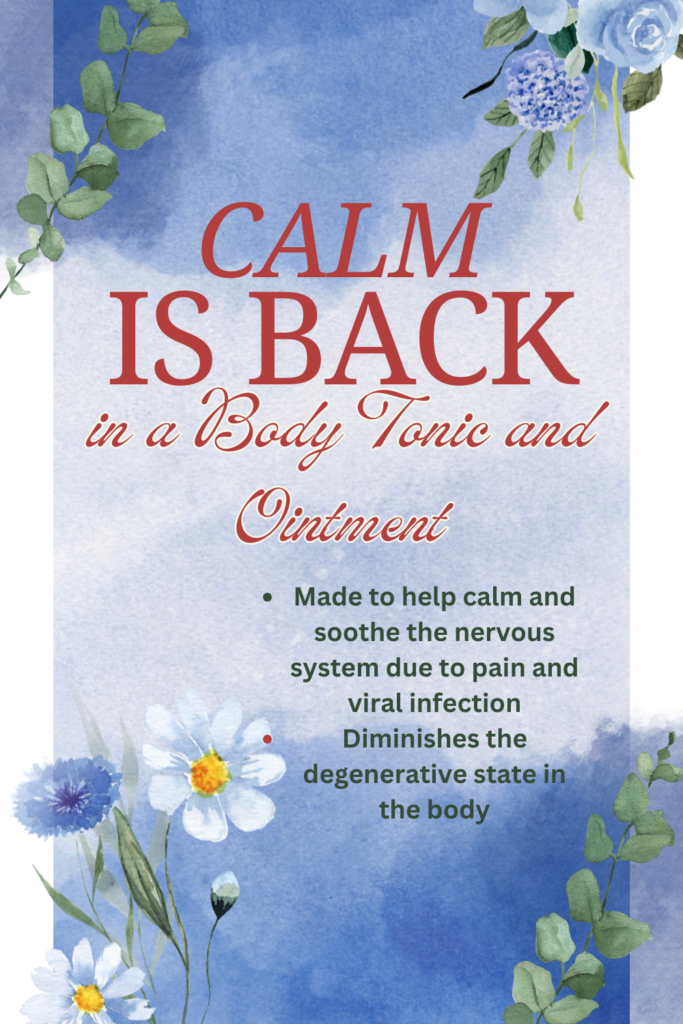
    • Made to help calm and soothe the nervous system due to pain and viral infection
    • Diminishes the degenerative state in the body
    • Calms the fight or flight response
    • Relaxes the central nervous system
    • Impacts cerebrospinal fluid circulation which refines the nervous system, detoxifies the brain,  and helps to reduce brain fatigue
    • Helpful for treating and preventing colds and flu’s 
    • Helps to stimulate the lymphatic system
    • Stimulates immune function
    • Has strong antiviral properties 
    • Calming to the adrenals
    • Reduces bronchial spasms
    • Reduces tension in the spine
    • Helpful with both nerve pain and nociceptive pain (dull achy pain, which is done by helping to jump start the lymphatic system)
    • Impacts anxiety
    • Reduces stress and tempers the stress response
    • Helps to calm fears
    • Calms homeostatic emotions
    • Diminishes the effects of aggression from others
    • Stimulates the intuitive aspects of the mind associated with releasing trauma
    • Originally made for doing Angel Work
    • Increases conductivity
    • Body tonic includes the tincture of yellow mustard to increase its antispasmodic qualities
    • Ointment made with a base of sesame oil with herbal infusion of shatavari, camphor, Ashwagandha, Arjuna, punarnava, agnimantha, bilva, brihati, gambhari, gokshura, kantakari, patala, prishnipari, shalaparni, shyonaka, fennel, musta, neem, valerian, turmeric, vidanga, anantamul, bhumyamalaki, brahmi , gota kola, calamus, cardomom, clove, Ginger, guduchi, licorice root, tulsi, mineral salts

    5ml

    4oz body tonic

    1oz ointment

    3oz ointment

  • The Benefits of Spagyric Angelica

    Spagyric Angelica

    Spagyric Angelica Tincture

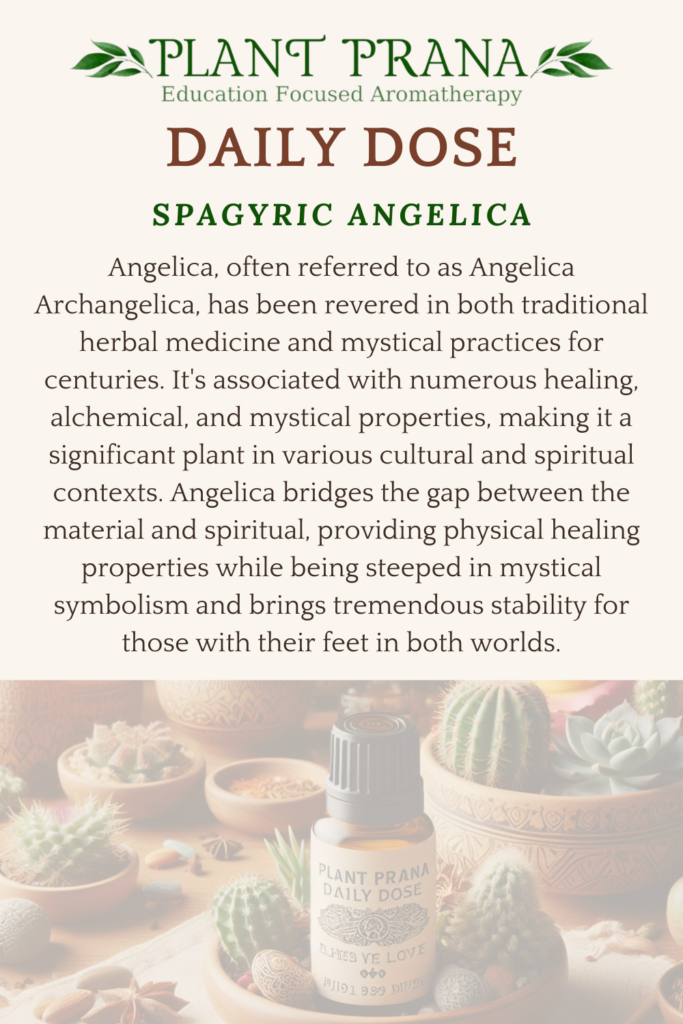
    Angelica, often referred to as Angelica Archangelica, has been revered in both traditional herbal medicine and mystical practices for centuries. It’s associated with numerous healing, alchemical, and mystical properties, making it a significant plant in various cultural and spiritual contexts. Angelica bridges the gap between the material and spiritual, providing physical healing properties while being steeped in mystical symbolism and brings tremendous stability for those with their feet in both worlds.

    Purify blood and other bodily fluids: This aligns with the alchemical goal of purification and perfection which anchors light in the blood and nervous system.

    Protection: It is traditionally used to ward off evil spirits and negative energies. Its use can be traced back to pagan times when it was used during the feast of the Archangel Michael, hence its name.

    Divine Connection: The plant is believed to enhance spiritual connection and is often used in rituals to promote healing, visions, and clairvoyance.

    Digestive Health: It is commonly used to help relieve indigestion, bloating, and heartburn. It 

    stimulates digestion and can help to ease colic, gas, and nausea.

    Respiratory Support: Angelica root is used in traditional medicine to help relieve congestion, coughs, and colds. Its expectorant properties make it useful in clearing mucus from the respiratory tract.

    Circulatory Stimulant: Angelica is also seen as a circulatory tonic, helping to improve blood flow and warm the body, which can be particularly beneficial for those suffering from poor circulation. Acts as a warming agent, improving blood circulation and addressing issues like cold extremities.

    Anti-inflammatory and Antispasmodic: It can help reduce inflammation and relax smooth muscle, easing symptoms in conditions like arthritis and menstrual cramps.

    Holistic Balance: The spagyric essence of Angelica works on multiple levels — physical, emotional, and spiritual — promoting overall balance and wellness.

    Angelica Root:

    • Revealed to a monk by an angel as a cure to the plague
    • Reeds are used to make flutes in Mongolia 
    • Used in Lapland as both food and medicine
    • Used by the Sami people as a cure-all
    • Used as a deeply spiritual plant and used in practices involving invoking angels
    • may cause sensitivity to light
    • Should not be used during pregnancy or while nursing

    ​SKIN- psoriasis, dull skin, skin congestion, irritated skin

    ​RESPIRATORY- runny nose, coughs (unproductive and spasmodic coughs), ​​​​bronchitis, soothing to asthmatic conditions, 

    ​CIRCULATORY- tonic, high blood pressure, water retention, accumulation of toxins, strengthening to the heart, irregular heartbeat, chilblains, cold hands and feet 

    ​MUSCULAR- gout, anti-inflammatory, rheumatism, arthritis, trigger points (soothes), rheumatoid arthritis, fibromyalgia 

    ​URINARY- frequent urge to urinate, excessive urination at night, menstrual cramps, relaxing during the cycle, PMS (especially when combined with ambrette and rose), bladder infections

    DIGESTIVE: settling of the stomach, bloating, ease digestion, gas, sluggish liver, possible impact on irritable bowl syndrome

    ​IMMUNE- cold and flu symptoms, anti-inflammatory, sore throats, antimicrobial, can help to reduce fevers, inhibits mold growth and fungus (has been shown to kill mold that grows on walnuts), may exhibit some anti cancer properties but there has not been proper investigation into its potential, herpes simplex 1

    ENDOCRINE- Endocrine Tonic, Depletion in Endocrine System, Fatigue

    ​NERVOUS- psychosomatic conditions, anxiety, relaxes the nerves, stress-related issues, fatigue, migraines, tension, insomnia

    ​PSYCHOLOGICAL- stress, trauma, anxiety, psychic attack, grief, depression (mild), may be helpful in the treatment of eating disorders

    Spagyric Angelica Tincture 1oz

    Application:

    Tinctures are to be taken orally only. Take one dropper full internally daily. You may want to follow it with some water or juice..

    Spagyric Angelica Body Tonic 4oz

    Apply as needed

Want to know more...

Sign up for oil and class updates. Or follow and like us on Social Media

YouTube Channel, Facebook Page, and Instagram.

Sign up

Subscribe to our emails to get updates about our classes, products, and everything Plant Prana.